
From the meLink team
Tag: meLink avo
-
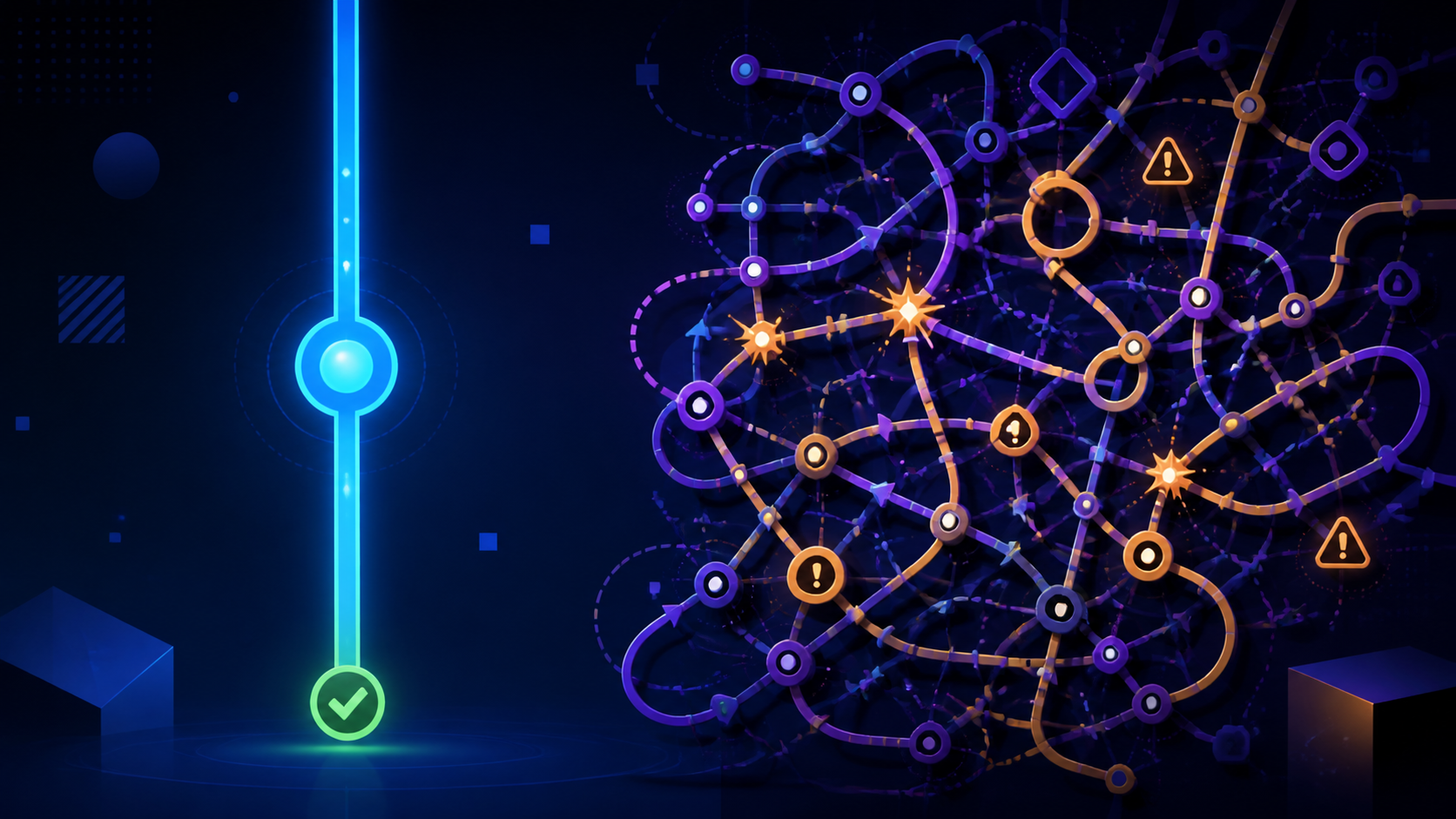
Why a Single AI Agent Beats a Swarm You Can’t Watch
Multi-agent AI swarms add coordination overhead and cascading failures. A single AI agent with clear scope beats a swarm for…
-

Designing AI Agent Memory That Lasts
AI agent memory fails when teams treat context windows as storage. Here is a practical design for working, session, and…
-
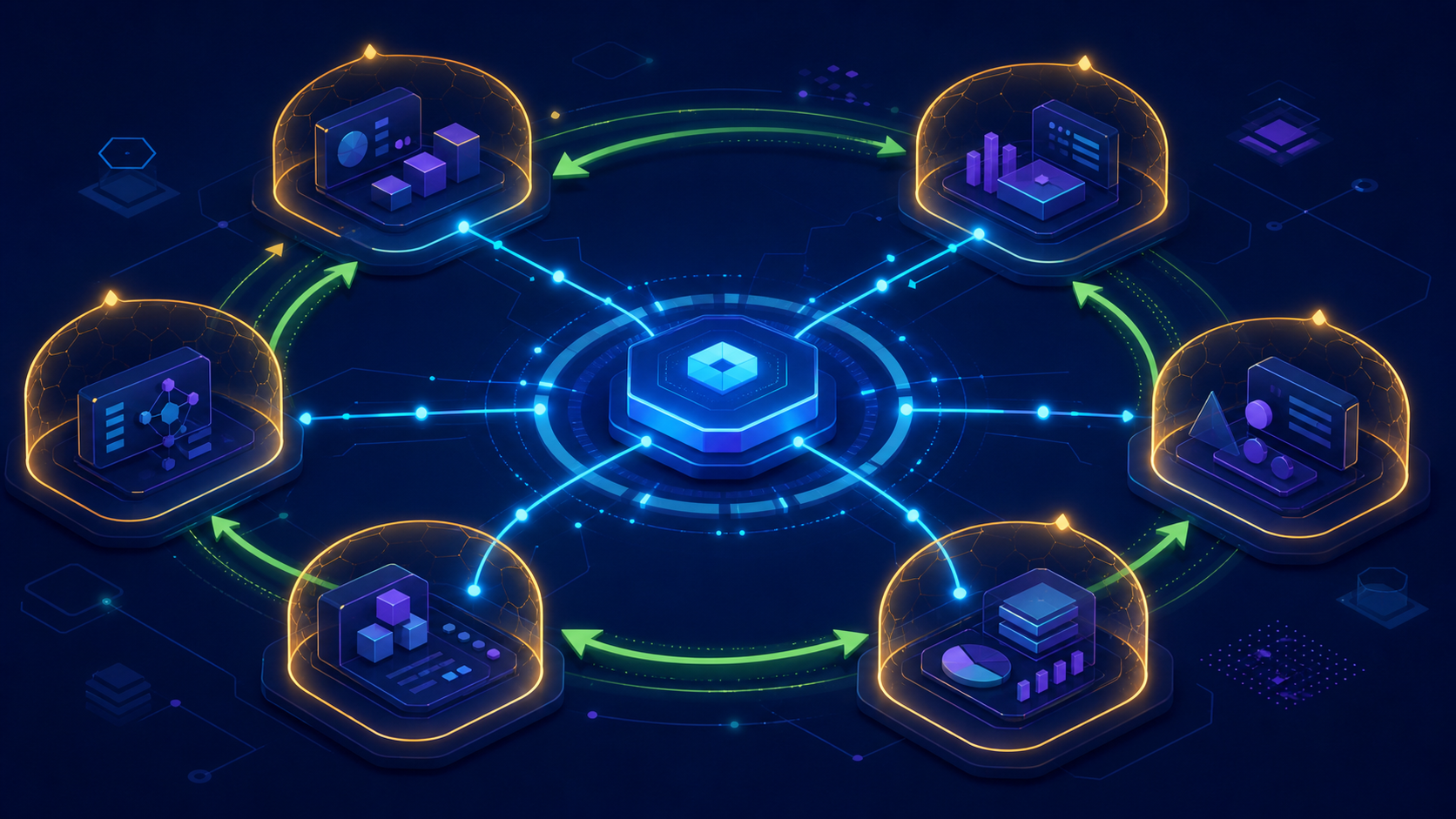
Designing Fail-Safe AI Workflows That Bounce Back
Most AI workflows break messily when the AI fails. Three principles for fail-safe AI workflows that bound damage and recover…
-
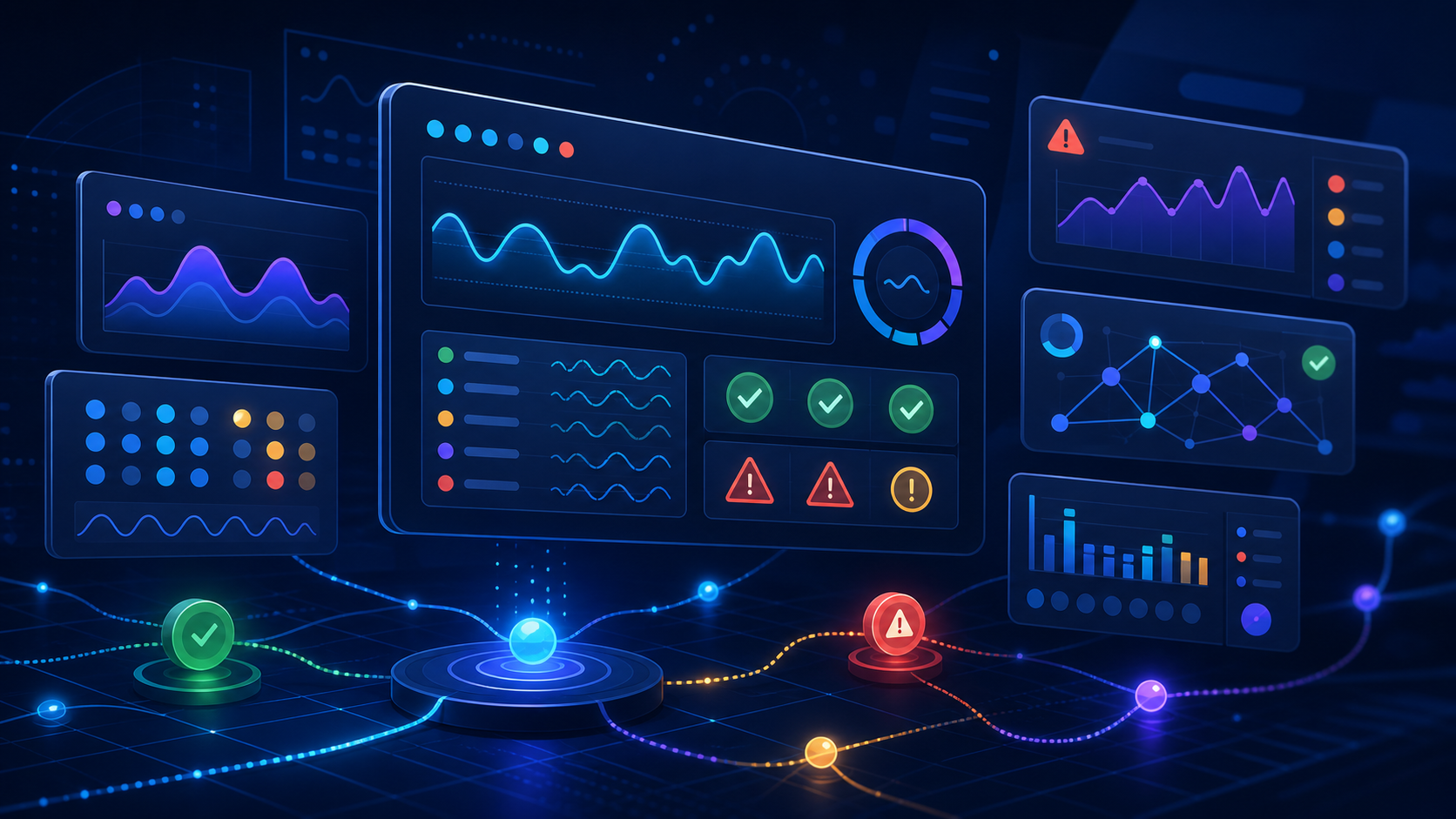
AI Agent Observability: What to Watch After Launch
Your AI agent passed its dress rehearsal. Now the real test begins. Here is what to watch, how often, and…
-
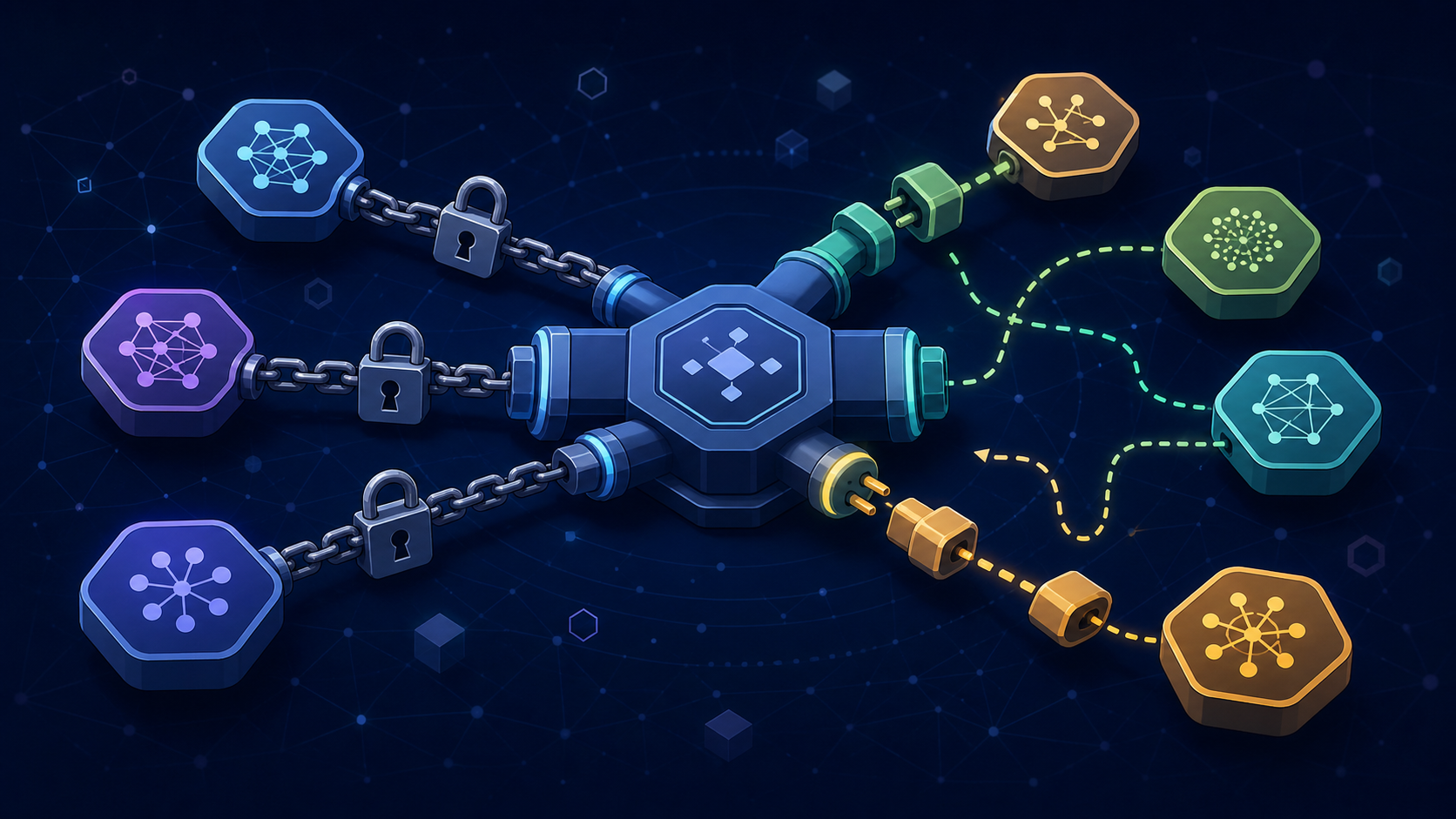
Avoid AI Vendor Lock-In With Portable Workflows
AI vendor lock-in creeps in through model-specific prompts and tool calls. Here is how small teams build portable workflows that…
-

Good AI Gives People a Way to Interrupt It
AI interruption keeps automation useful when priorities change. Give people clear pause points, safe states, and a way to resume…
-

The AI Dress Rehearsal: Test Before It Meets a Customer
A dress rehearsal for your AI assistant catches edge cases the demo missed before real customers arrive. Test handoffs, off-topic…
-

Every Customer-Facing AI Needs a Shift Lead
An AI shift lead gives every customer-facing assistant a named operator to protect its lane, read exceptions, and improve service.
-
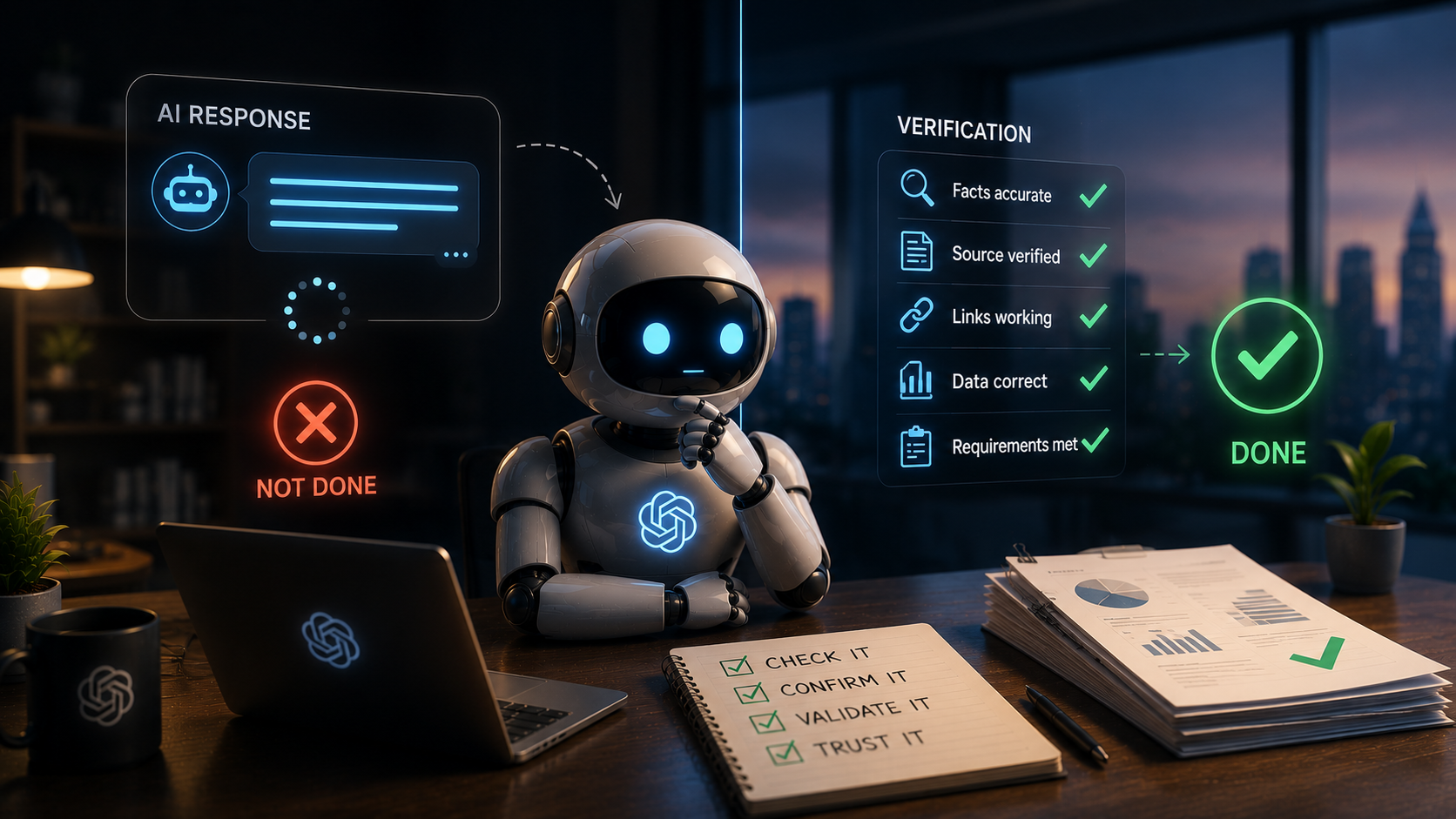
An AI Task Isn’t Done When It Responds. It’s Done When You Can Check It.
An AI definition of done gives agents a checkable finish line, so small teams get useful outcomes, not plausible-looking activity.
-
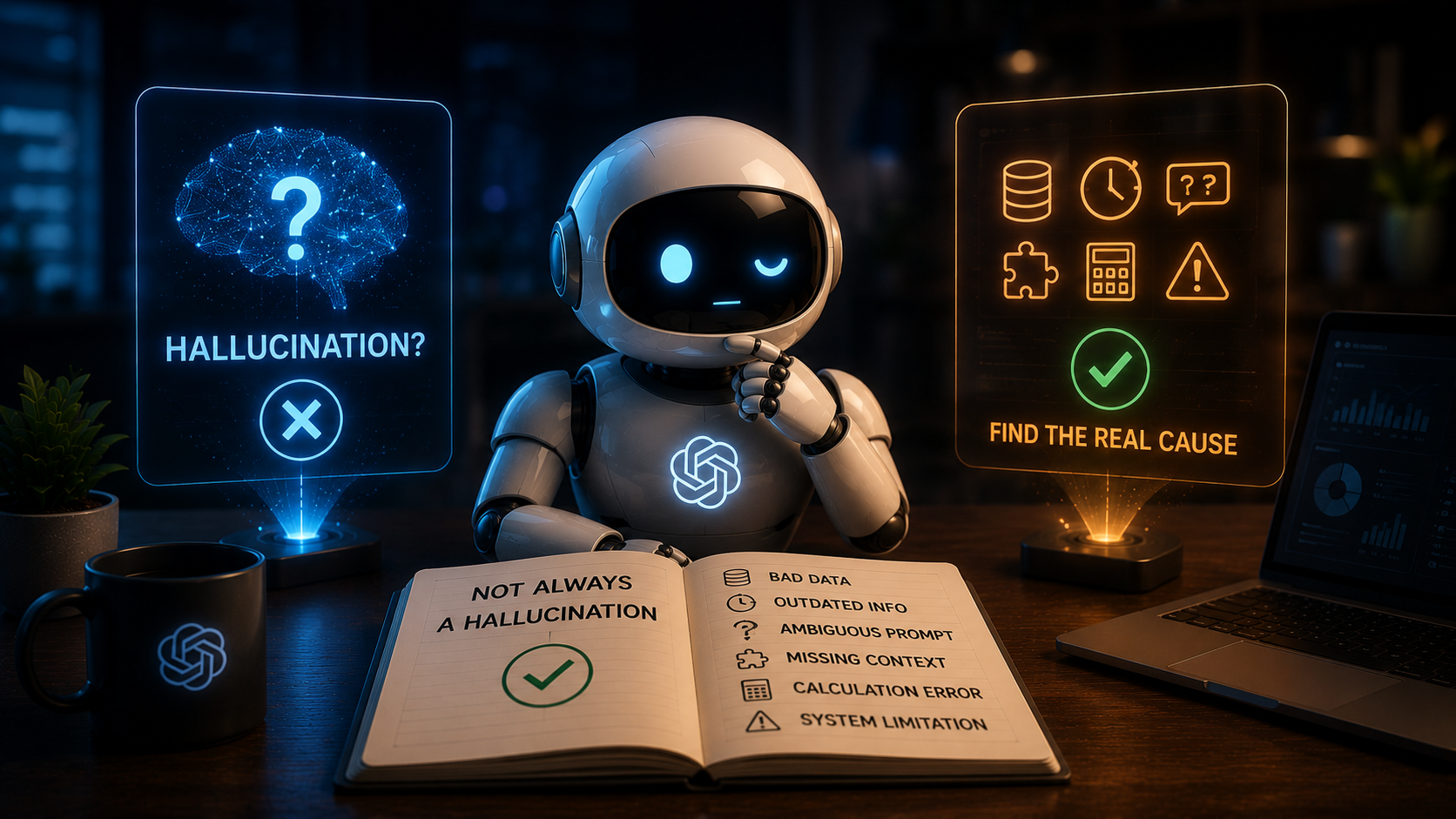
Stop Calling Every AI Mistake a Hallucination
An AI error taxonomy helps small teams fix the right problem: knowledge, instructions, tools, policy boundaries, or execution.